⭐ The Ultimate Parent’s Guide to Future-Proofing Your Child’s Career in the Age of AI
How to help your teenager or young graduate build future-ready remote skills, navigate the digital economy, and launch a resilient career in the age of AI.
🤖Discover the practical framework parents need to help their teenagers and young graduates develop high-demand remote skills, adapt to AI disruption, and build a pathway toward career freedom and financial independence.
🚀 Why Parents Need a New Career Playbook for the Digital Age
The career rulebook we grew up with has been completely rewritten. The traditional career path many of us believed in—finish school, earn qualifications, and follow a predictable professional ladder—is no longer the only pathway to financial security. Today, young people are entering a world shaped by automation, global remote hiring, digital transformation, and artificial intelligence.
As a parent, navigating this shift can feel overwhelming. You want to support your child, but how do you prepare them for an economy that changes faster than ever before? This guide provides a practical roadmap to help you guide your teenager or young graduate away from outdated career assumptions and toward a resilient, digital-first professional future.
Introduction: ⭐ Critical Career Mistakes Well-Meaning Parents Must Avoid
When helping children navigate the modern job market, our instinct is to fall back on what worked for us. However, the workplace has changed dramatically. Remote work, automation, artificial intelligence, and digital skills are reshaping the opportunities available to the next generation. Continuing to rely only on outdated career assumptions can unintentionally limit your child’s options before they even begin.
One of the biggest mistakes parents can make is focusing only on traditional markers of success while overlooking the importance of practical skills and real-world experience. In today’s remote and AI-driven economy, many employers look beyond qualifications alone and want to see what a candidate can actually do. A strong portfolio, professional online presence, and examples of completed projects can help young people stand out in a competitive global job market.
Another common challenge is encouraging children to follow only “secure” traditional career paths without considering how quickly industries are evolving. True career resilience today comes from adaptability, continuous learning, digital confidence, and the ability to solve problems using modern tools. By helping young people develop these skills early, parents can give them a stronger foundation for long-term independence and opportunity.
🔗 Deep-Dive Resource: For a complete breakdown of the hidden pitfalls in modern career advice, read our full guide on Critical Career Mistakes Parents Should Avoid.
🤖 The New Rulebook: Preparing for a Digital-First Future
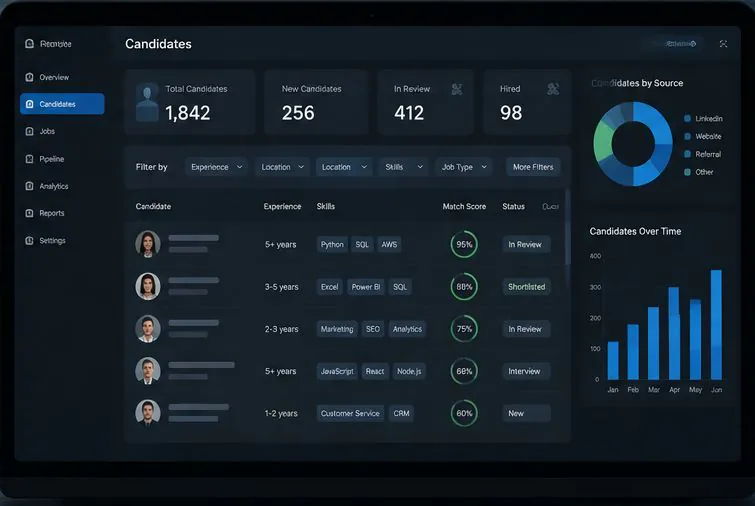
The modern job market looks very different from the world many parents entered. Traditional career paths are being reshaped by remote work, automation, artificial intelligence, and digital transformation. Employers no longer rely only on printed CVs or traditional recruitment methods. Today, applications are submitted online, screened by Applicant Tracking Systems (ATS), reviewed through digital hiring platforms, and evaluated in a highly competitive global talent market.
For young people entering the workforce, this new environment can feel confusing and overwhelming. They may spend hours preparing applications or building qualifications without understanding why opportunities are not appearing. Often, the challenge is not a lack of potential, but a lack of awareness about how modern hiring actually works.
Helping your child understand today’s hiring process is one of the first steps toward building a confident and competitive career foundation.
Modern employers are looking for far more than qualifications alone. They value young professionals who can communicate effectively, demonstrate digital confidence, solve problems, adapt to change, and continue learning throughout their careers. These qualities have become increasingly important as AI, automation, remote work, and digital collaboration reshape workplaces across almost every industry.
Rather than viewing artificial intelligence as a threat, parents can help their children understand how to use it responsibly as a career advantage. AI can support research, identify skill gaps, improve CVs, optimise professional profiles, prepare for interviews, organise job searches, and help young people develop stronger career strategies. Used correctly, AI becomes a powerful assistant that enhances human ability rather than replacing it.
A great starting point is helping your teenager or young graduate answer important questions:
- What skills and strengths do I already have?
- Which careers and industries genuinely interest me?
- Which industries are growing and creating new opportunities?
- What experience can I demonstrate through education, volunteering, projects, freelancing, or personal achievements?
- Which digital skills should I develop to become more competitive?
This type of self-assessment helps young people avoid simply applying for every opportunity they see. Instead, they can focus on careers that match their strengths while building the missing skills needed for long-term success.
Throughout this guide, you will discover practical strategies to help your child understand AI-powered careers, develop future-ready skills, navigate modern hiring, and build the confidence needed to succeed in an evolving world of work. READ: AI Tools & Workflows for Remote Work
✋ Common Pitfalls: Career Mistakes Parents Should Avoid
One of the biggest challenges well-meaning parents face is giving career advice based on a world that has changed dramatically. Many parents naturally share the lessons that helped them succeed, hoping their children will follow a similar path. While this advice comes from a place of love and experience, today’s career landscape requires a broader approach that combines education, practical skills, digital confidence, and adaptability.
A more effective approach is helping your child understand that long-term career security is no longer built around a single qualification, company, or job title. Instead, resilience comes from continuously developing valuable skills, gaining practical experience, and learning how to adapt as industries evolve.
The role of a modern parent is not to choose a career path for their child, but to become a strategic guide and supporter. Encourage your teenager or young graduate to build a strong digital presence, develop a growth mindset, and create evidence of their abilities through projects and practical experience.
Whether your child is interested in creative work, technology, administration, entrepreneurship, or traditional professional roles, the modern career journey requires more than simply earning qualifications and submitting applications. Young people need to understand how digital platforms, remote opportunities, and modern hiring processes work.
A practical workflow for modern career guidance could look like this:
- Identify your child’s natural strengths, interests, and problem-solving abilities.
- Encourage them to complete real-world projects that create tangible evidence of their skills.
- Prioritise digital skills, communication abilities, and remote-ready soft skills alongside academic studies.
- Help them understand that qualifications are valuable, but practical ability and adaptability are equally important.
- Introduce them to global opportunities, remote careers, freelancing, and modern digital workplaces.
- Teach them to view online platforms as professional tools for showcasing their abilities, not only entertainment channels.
- Support their confidence and resilience as they navigate a competitive and rapidly changing job market.
This approach transforms parental guidance from simply giving instructions into a collaborative mentorship that helps young adults develop confidence, independence, and the ability to create their own opportunities.
By avoiding these common career planning mistakes, parents can help their children spend less time following outdated assumptions and more time building the skills, experience, and mindset needed for the future of work.
💥 The Skills Blueprint: Remote Skills Every Teenager Should Learn
One of the biggest misconceptions young people face when preparing for the modern workforce is believing that being comfortable with technology automatically means they are ready for professional remote work. Many teenagers are highly familiar with smartphones, social media, online platforms, and digital entertainment, but professional digital skills require a different mindset.
Remote work requires the ability to communicate clearly, manage responsibilities independently, collaborate online, solve problems, and deliver reliable results without constant supervision. These are skills that can be developed and practised long before a young person enters the workforce.
A far more effective approach is to help teenagers build these foundational remote work abilities while they are still learning. Think of remote capability as a professional skill set that improves with practice. Whether a young person wants to explore virtual assistant work, freelance projects, creative careers, technical roles, or remote employment, these abilities provide a strong foundation.
A practical remote skills checklist for teenagers could include:
- Mastering professional online communication and learning how to clearly express ideas across different platforms and time zones.
- Learning basic project management tools such as Trello, Asana, or Notion to organise tasks and collaborate effectively.
- Developing digital time management habits using calendars, planning systems, and productivity tools.
- Understanding cybersecurity basics, secure cloud storage, password safety, and professional email etiquette.
- Practising independent troubleshooting and problem-solving before immediately seeking assistance.
- Learning how to document work clearly so progress, decisions, and results can be easily understood.
- Developing self-motivation and accountability when working without traditional supervision.
- Building AI literacy by learning how to use AI tools responsibly to research, create, analyse information, and improve productivity.
This structured approach helps transform a teenager from a casual technology user into a confident, remote-ready professional who understands how to create value in a digital workplace.
Young people who combine practical skills, digital confidence, and adaptability will stand out from those who only have theoretical knowledge. Once these foundations are established, the next step is understanding which technology skills will provide the greatest career advantages in the AI era. READ: Freelancing & Remote Career Growth

💡 The strongest candidates don’t just use AI to write documents—they use it to think better, solve problems faster, and make smarter career decisions. AI Thinking OS™ shows you how to work alongside AI as a practical assistant, helping you improve your job search, boost productivity, and develop skills you’ll use throughout your career.
📋 The Tech Debate: Should Your Child Learn AI or Coding First?
One of the biggest questions parents face today is deciding which technology skills will give their child the strongest foundation for the future. They hear conflicting advice about coding, artificial intelligence, automation, and emerging technologies, and it can feel overwhelming trying to choose the right direction.
The good news is that parents do not need to choose between AI and coding as if they are competing options. A more effective approach is understanding how these skills work together and helping young people develop the ability to think logically, solve problems, and use technology creatively.
Artificial intelligence has changed the way software and digital solutions are created. Modern technology professionals increasingly use AI tools to research, generate ideas, write and review code, automate tasks, and accelerate development. However, understanding the fundamentals behind technology remains valuable. A young person who understands both AI capabilities and basic programming concepts will be better positioned to adapt as technology continues evolving.
A practical technical learning framework for young learners could look like this:
- Start with AI literacy by learning how AI tools work, how to write effective prompts, and how to evaluate AI-generated results.
- Develop algorithmic thinking by learning how to break complex problems into smaller, logical steps.
- Use AI tools to create simple projects such as websites, digital products, or basic applications.
- Introduce foundational programming concepts through beginner-friendly languages such as Python.
- Learn the importance of testing, debugging, and reviewing AI-generated output rather than accepting it blindly.
- Explore automation workflows that connect different digital tools and improve productivity.
- Focus on creativity, problem-solving, systems thinking, and understanding how technology can solve real-world problems.
This balanced approach transforms technology education from simply memorising technical skills into a creative process of building, experimenting, and solving problems.
The goal is not to predict exactly which technology will dominate the future. The goal is to help young people become confident learners who can adapt, use emerging tools responsibly, and continue developing valuable skills throughout their careers.
Once they understand how to build and create with technology, the next important step is learning how to showcase those abilities through a professional digital presence.
🤖 Responsible AI Use: Turning AI Into a Career Advantage
AI Is a Powerful Assistant—Not a Replacement.
Artificial intelligence is transforming almost every industry, but the most successful professionals are not using AI to replace their thinking—they are using it to enhance their abilities.
Helping young people understand this distinction is one of the most valuable things parents can do. AI should not be viewed only as a threat to future careers. Instead, it should be understood as a powerful tool that can help people become more productive, creative, organised, and informed while still relying on human judgement.
Employers increasingly value candidates who know how to use AI responsibly, ethically, and professionally.
Teach Young People to Use AI to Support Their Work—Not Replace It.
AI works best when it helps young professionals:
- Brainstorm ideas.
- Research unfamiliar topics.
- Improve communication and writing.
- Organise information.
- Plan projects.
- Solve problems more efficiently.
- Learn new skills faster.
Young people should learn to review, verify, and personalise anything AI produces. Their judgement, creativity, experience, and ability to make decisions are what create real value.
Common AI Mistakes Young People Should Avoid.
Responsible AI users understand that shortcuts can damage their credibility. They should avoid:
- Inventing qualifications, achievements, or experience.
- Submitting AI-generated work without reviewing it.
- Using generic AI-written applications that do not reflect their personality.
- Sharing private client, employer, or personal information with AI tools.
- Assuming AI-generated information is always accurate.
- Allowing AI to replace their own critical thinking.
AI can make mistakes and produce inaccurate information. The responsibility for the final result always belongs to the person using the tool.
The Human Advantage Still Matters.
As AI becomes more common in the workplace, human skills become even more valuable. Communication, creativity, empathy, problem-solving, adaptability, and sound judgement remain essential qualities that technology cannot replace.
The strongest future professionals will combine these human strengths with AI capabilities to produce better work, make smarter decisions, and continue learning throughout their careers.
AI Literacy Is Becoming a Career Skill.
Just as digital literacy became an essential workplace skill over the past two decades, AI literacy is becoming a core skill for the modern economy.
Helping your child learn how to work alongside AI responsibly will give them an advantage in a changing employment landscape. The future does not belong to people who fear AI, or to those who depend on it completely. It belongs to people who know how to combine human judgement with intelligent technology.
💼 Employment vs. Freelancing: Navigating Modern Career Choices
One of the biggest challenges young people face when planning their careers is believing they must choose between only two options: securing a traditional full-time job or becoming a full-time freelancer immediately. In reality, the modern economy offers many different ways to build experience, develop skills, and create career opportunities.
A more effective approach is helping your child understand both employment and freelancing objectively. Neither path is automatically better than the other. The right choice depends on their goals, personality, skills, industry, and stage of life.
Modern careers are becoming less like a single straight ladder and more like a flexible journey built around skills, experience, and adaptability. Many successful professionals combine traditional employment with freelance projects, contract work, online opportunities, or personal projects that help them grow.
For example, a young person entering fields such as content creation, customer support, marketing, data analysis, design, or web development can use employment to gain structured experience while exploring freelance projects that build confidence and expand their portfolio.
A practical career path evaluation workflow could look like this:
- Help your child understand their preferred working style, goals, strengths, and comfort level with different environments.
- Research whether their chosen industry offers traditional employment, remote roles, contract work, or freelance opportunities.
- Encourage them to complete small projects while studying or building experience.
- Teach them basic professional skills such as communication, personal branding, invoicing, and client relationship management.
- Help them evaluate job opportunities based on learning potential, experience gained, and future growth—not only starting salary.
- Show them how freelance projects can strengthen their CV, portfolio, and professional confidence.
- Encourage them to develop a broad skill set so they can adapt as industries and opportunities change.
This approach helps young adults move from simply searching for opportunities to actively building a flexible and resilient career foundation.
Understanding these different career paths gives young people more control over their future. Once they understand how they want to work, the next step is learning how to present their skills effectively to employers and the wider professional world. READ “AI-assisted freelancing and modern independent career paths”
🎯 Inside the Hiring Mind: What Modern Employers Really Look For
One of the biggest mistakes young job seekers make is assuming that qualifications and academic achievements alone will guarantee career opportunities. Strong grades and education can demonstrate commitment and discipline, but modern employers increasingly want to see evidence that candidates can apply their knowledge in practical situations.
A more effective approach is helping young people understand the hiring process from the employer’s perspective. Companies are looking for people who can communicate clearly, solve problems, learn quickly, work effectively with others, and contribute to real business goals.
Think of a hiring manager not as an academic examiner, but as someone trying to solve a business challenge. In today’s digital and remote-friendly workplace, employers value candidates who can demonstrate reliability, adaptability, and practical skills. For example, if your child is applying for a remote administrative, technical, creative, or marketing role, showing examples of completed projects and independent problem-solving can make a significant difference.
A practical employer alignment checklist for young adults could look like this:
- Demonstrate clear, professional communication across digital channels.
- Show evidence of independent problem-solving and taking ownership of tasks.
- Highlight projects, volunteer work, internships, or personal achievements that demonstrate ability.
- Become familiar with modern workplace tools such as Google Workspace, Notion, project management platforms, and collaboration software.
- Tailor applications to show an understanding of the employer’s needs and challenges.
- Demonstrate curiosity, willingness to learn, and the ability to adapt to change.
- Maintain a clean and professional digital presence that supports their personal brand.
This approach helps transform a young applicant from someone who simply lists qualifications into someone who can clearly demonstrate their potential, skills, and readiness to contribute.
When candidates align their abilities with what employers actually need, limited experience becomes less of a barrier. However, securing the first opportunity is only part of the journey. Building confidence and direction after education is another important stage of career development.

📊 Digital Proof of Work: Building a Professional Digital Presence
One of the biggest challenges young job seekers face is failing to showcase their abilities beyond a traditional CV. They may spend months improving qualifications and submitting applications, but employers often have limited information about what they can actually create, solve, or contribute.
A more effective approach is helping young people build a professional digital presence that provides visible evidence of their skills, experience, and interests.
Think of a digital presence as a professional showcase that works around the clock. A CV can explain what someone has studied or achieved, but a portfolio, LinkedIn profile, personal website, or collection of completed projects allows employers and potential clients to see real examples of their abilities.
For example, a young person interested in digital marketing, coding, content creation, design, administration, or customer success can strengthen their career opportunities by showcasing projects, sharing insights, and demonstrating what they are learning.
A practical digital presence-building workflow could look like this:
- Create a simple professional portfolio or personal website showcasing skills and completed projects.
- Optimise a LinkedIn profile with a clear headline, summary, skills, and career interests.
- Document personal projects, volunteer work, freelance assignments, or learning achievements.
- Share useful insights and lessons learned within their chosen industry.
- Review public social media profiles to ensure they support a professional reputation.
- Participate positively in online communities and connect with people in relevant fields.
- Use digital formats such as articles, videos, presentations, or demonstrations to communicate expertise.
This approach transforms an unknown graduate into a more visible and credible candidate who can demonstrate their potential before an interview.
When a young person’s skills and achievements are easy to discover online, they create more opportunities to connect with employers, clients, and professional communities. With this foundation in place, they are better prepared to explore both traditional careers and independent work opportunities. READ: “Creating digital projects and online proof of skills”

🤝 The Post-Grad Transition: Building Confidence After University
One of the biggest challenges many university graduates face is navigating the transition from education into the professional world. After years of studying, they may expect opportunities to appear quickly, only to discover that modern job searching requires patience, persistence, and a different set of skills than academic success alone.
While some graduates find opportunities immediately, others experience periods of uncertainty, unanswered applications, or rejection. This stage can affect confidence, especially when they feel that their qualifications are not producing the results they expected.
A more effective approach is for parents to help graduates reframe this transition period as a time of growth, learning, and practical career development rather than simply a waiting period.
The period after university can become a valuable bridge between academic knowledge and real-world experience. Many graduates need support translating what they learned into practical skills, professional confidence, and visible evidence of their abilities. For example, building a portfolio, completing personal projects, gaining freelance experience, volunteering, or developing new digital skills can help create momentum while searching for employment.
A practical confidence-building framework for graduates could look like this:
- Establish a consistent daily routine that balances job searching, learning, and personal development.
- Break larger career goals into smaller, achievable actions.
- Create personal projects or practical examples that demonstrate skills.
- Focus on building meaningful professional connections rather than only sending large numbers of applications.
- View rejection as feedback and part of the modern hiring process, not as a measure of personal worth.
- Recognise small progress, such as improving a CV, updating a LinkedIn profile, completing a project, or receiving positive feedback.
- Provide a supportive environment where they can explore opportunities and develop confidence.
This approach helps graduates move from feeling stuck to becoming active, adaptable professionals who understand that career success is built through continuous improvement.
By supporting your child through this transition with patience and encouragement, you help them develop the resilience required for long-term success. With the right mindset, skills, and direction, they can move forward with confidence into the modern world of work.
⏰ Your Action Plan: Designing a Future-Ready Career Roadmap
One of the biggest mistakes families make is leaving a young adult’s career development until the final stages of education. They may discuss options casually, wait until graduation approaches, and hope the right opportunity appears naturally. While this works for some people, many young adults benefit from having a clearer plan, practical goals, and support as they prepare for the changing world of work.
A more effective approach is to work together and create a flexible, future-ready career roadmap that can adapt as interests, skills, and technology continue to evolve.
Think of a career roadmap as a navigation system rather than a rigid plan. It should identify skills to develop, projects to complete, experiences to gain, and professional connections to build. By breaking the journey into manageable stages, young people can steadily create a stronger digital presence, develop valuable skills, and explore opportunities without feeling overwhelmed.
A practical future-ready roadmap could look like this:
- Stage 1: Identify strengths, interests, career goals, improve digital habits, and learn essential remote work tools.
- Stage 2: Choose a potential skill area or career direction and create practical projects that demonstrate ability.
- Stage 3: Build a professional online presence through a portfolio, LinkedIn profile, and examples of completed work.
- Stage 4: Begin exploring opportunities through targeted applications, networking, internships, freelance projects, or remote work platforms.
This structured approach transforms career planning from an uncertain guessing game into a practical system for building confidence, skills, and real-world experience. READ: “Our practical roadmap for building remote income and freelance skills”

📣 Frequently Asked Questions: Preparing Your Child for the Future of Work
-
Is a traditional university degree still worth the investment in the age of AI?
Yes, in many careers a degree remains valuable. However, its role has changed. Qualifications can demonstrate commitment, knowledge, and discipline, but young professionals increasingly need to combine education with practical skills, digital confidence, AI literacy, and real-world examples of what they can do. -
When should my teenager start learning remote work and digital skills?
The teenage years are an excellent time to begin developing these abilities. Young people can start with simple foundations such as professional communication, digital organisation, online collaboration, problem-solving, and responsible use of technology. These skills become valuable foundations for future careers. -
Should my child learn AI tools or traditional skills first?
The best approach is not choosing one over the other. Young people should develop strong foundations in communication, creativity, problem-solving, and their chosen field while learning how AI can enhance their abilities. AI literacy will become increasingly important, but human judgement and expertise remain essential. -
What if my child struggles with confidence after graduating?
This is a common experience for many graduates entering a competitive job market. Parents can help by encouraging practical action instead of waiting for the perfect opportunity. Building small projects, gaining experience, improving skills, and creating a professional online presence can help restore confidence and momentum. -
Does my child need to become a programmer to succeed in the AI economy?
No. While coding can be valuable for some careers, the AI economy requires many different skills. Communication, creativity, digital marketing, design, research, administration, problem-solving, and the ability to use AI tools effectively can all create valuable career opportunities. -
How can parents support their child’s career development without controlling their choices?
The most effective role for parents is becoming a guide and supporter. Help your child explore possibilities, develop useful skills, gain practical experience, and build confidence while allowing them to discover their own strengths and interests.

🧠 The AI Career & Future Skills Roadmap at a Glance
By now, you have seen how the world of work is changing and how parents can help young people prepare for a future shaped by artificial intelligence, remote opportunities, and digital transformation.
The real advantage does not come from learning one specific tool or chasing one specific career path. It comes from building a structured foundation that combines valuable skills, responsible AI use, adaptability, practical experience, and continuous learning.
Your Child’s Future-Ready Career Roadmap
Think of the journey like this:
- Step 1: Understand the New Career Landscape — Learn how AI, automation, remote work, and digital hiring are changing the opportunities available to the next generation.
- Step 2: Discover Strengths and Interests — Help your child identify their natural abilities, interests, and potential career directions.
- Step 3: Build Future-Ready Skills — Develop digital literacy, communication, problem-solving, AI literacy, adaptability, and professional confidence.
- Step 4: Gain Practical Experience — Encourage projects, volunteering, internships, freelance work, and real-world activities that create evidence of ability.
- Step 5: Build a Professional Digital Presence — Create portfolios, LinkedIn profiles, and online examples that showcase skills and achievements.
- Step 6: Understand Career Options — Explore traditional employment, remote careers, freelancing, entrepreneurship, and different ways of building a modern career.
- Step 7: Learn Responsible AI Use — Teach young people to combine AI tools with human judgement, creativity, ethics, and critical thinking.
- Step 8: Continue Growing — Encourage lifelong learning, adaptability, and the mindset needed to succeed as technology continues evolving.
Why This System Works
Many young people enter the workforce without a clear understanding of how careers are changing. They may have qualifications but lack practical experience, digital confidence, or a strategy for showing employers what they can do.
A structured career development system replaces uncertainty with direction. Instead of simply waiting for opportunities, young people can actively build skills, create evidence of their abilities, and prepare themselves for a changing economy.
The Biggest Mindset Shift
The most important question is no longer:
“How do I find the perfect job?”
Instead, young people should learn to ask:
“How do I become the kind of adaptable professional who can create opportunities in a changing world?”
That shift encourages continuous learning, responsible use of technology, confidence, and long-term career resilience.
The future belongs to people who continue learning, combine human strengths with intelligent technology, and adapt as the workplace evolves. By helping your child build these foundations early, you give them the confidence and skills needed to navigate the future of work.
Let’s finish by bringing everything together and looking at the practical next steps parents can take. READ: “Using AI to prepare for modern job opportunities”
🚀 Ready to Help Your Child Build Future-Ready Career Skills?
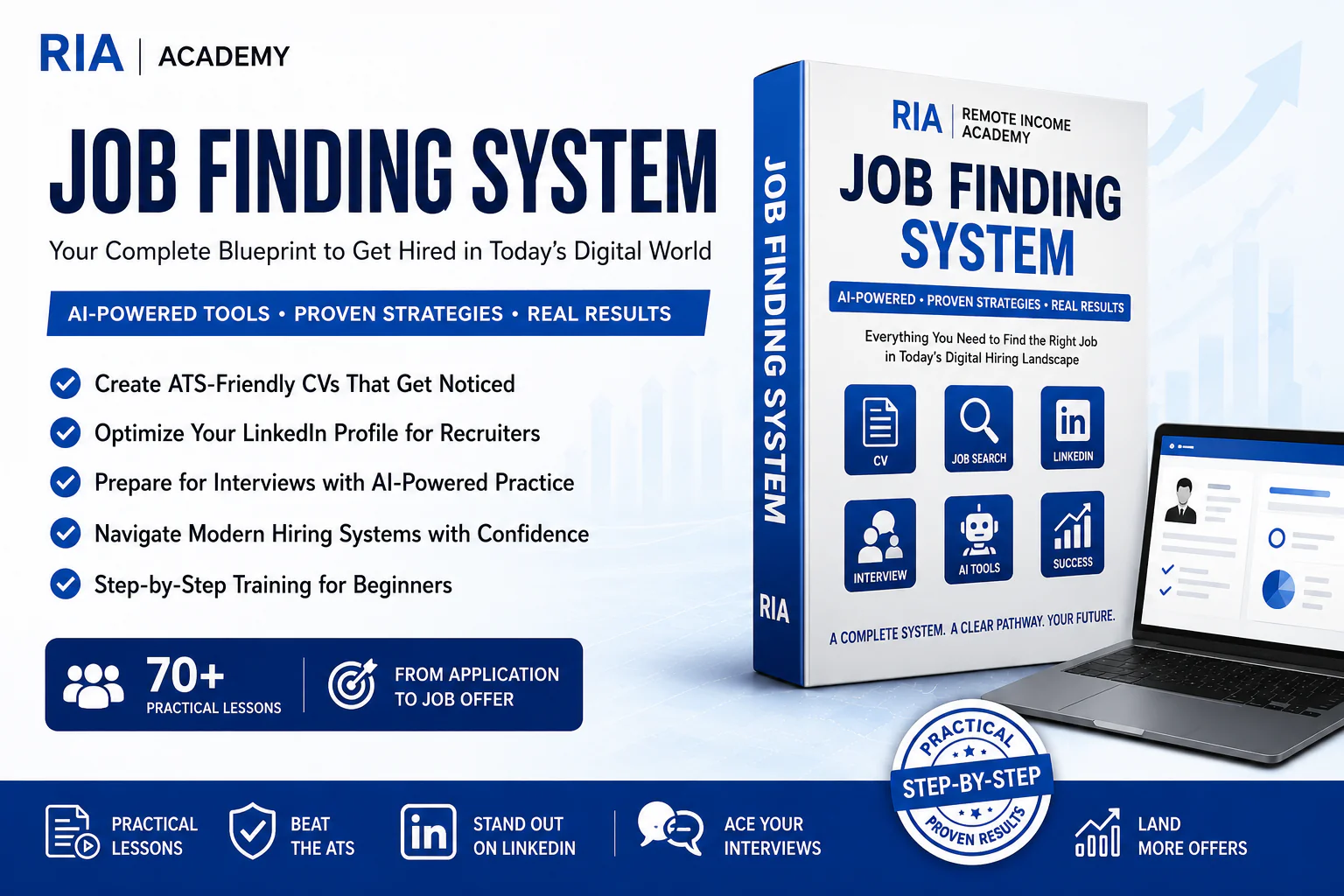
The AI Career & Skills Framework helps young people understand the modern world of work, develop valuable digital skills, use AI responsibly, build professional confidence, and prepare for opportunities in an evolving economy.
Instead of leaving your child’s future to chance, help them build the skills, mindset, and adaptability needed to create opportunities in the AI-powered world of work.
🏁 In Conclusion & Next Steps
Building a future-ready career for your child is not about predicting exactly which jobs will exist in the future or choosing one perfect career path today. It is about helping them develop the skills, confidence, and adaptability needed to succeed in a constantly changing world.
The modern economy rewards people who continue learning, embrace technology responsibly, communicate effectively, solve problems, and create value. By helping your teenager or graduate build these foundations early, you give them something far more valuable than a simple career plan — you give them the ability to navigate change.
Start small. Review the roadmap above, choose one practical action to discuss with your child this week, and begin building their future-ready foundation step by step.
Whether that means improving digital skills, exploring AI tools, creating their first project, building a professional online presence, or researching future career options, every small action builds momentum.
The future of work will continue evolving, but young people who combine human skills with digital confidence will always have opportunities to grow.
🔗 Further Future Career & AI Skills Guides
Your journey does not end with one article. Explore these practical guides to help teenagers, graduates, and young professionals prepare for the changing world of work — from developing future-ready skills and understanding AI to building professional confidence and creating better career opportunities.
👨👩👧 Parents, Graduates & Future Careers
- How to Help Your Child Find Their First Job in the AI Era
- Helping Young Adults Build a Professional Digital Presence
- Remote Skills Every Teenager Should Learn Before Leaving School
- What Employers Really Look for in Young Job Seekers
- How Parents Can Help Graduates Build Confidence After University
- Should Your Child Learn AI or Coding First?
- How to Prepare Teenagers for Remote Work
- Career Mistakes Parents Should Avoid When Supporting Young Adults
- Creating a Future-Ready Career Plan Together
🤖 AI Job Search & Career Development
- How to Use AI to Get a Job
- How to Use AI to Write Your CV
- How to Beat ATS Systems Using AI
- How to Prepare for a Job Interview with ChatGPT
- How to Handle AI Video Interviews
- How to Use ChatGPT to Analyse Job Descriptions
- 7 AI Prompts to Uncover Hidden Jobs on LinkedIn
Each guide supports the same philosophy: combine practical skills, responsible AI use, continuous learning, and structured career development to help people become more adaptable and confident in the future workplace.
“`
🚀 Ready to Help Build Future-Ready AI Skills?
“`